
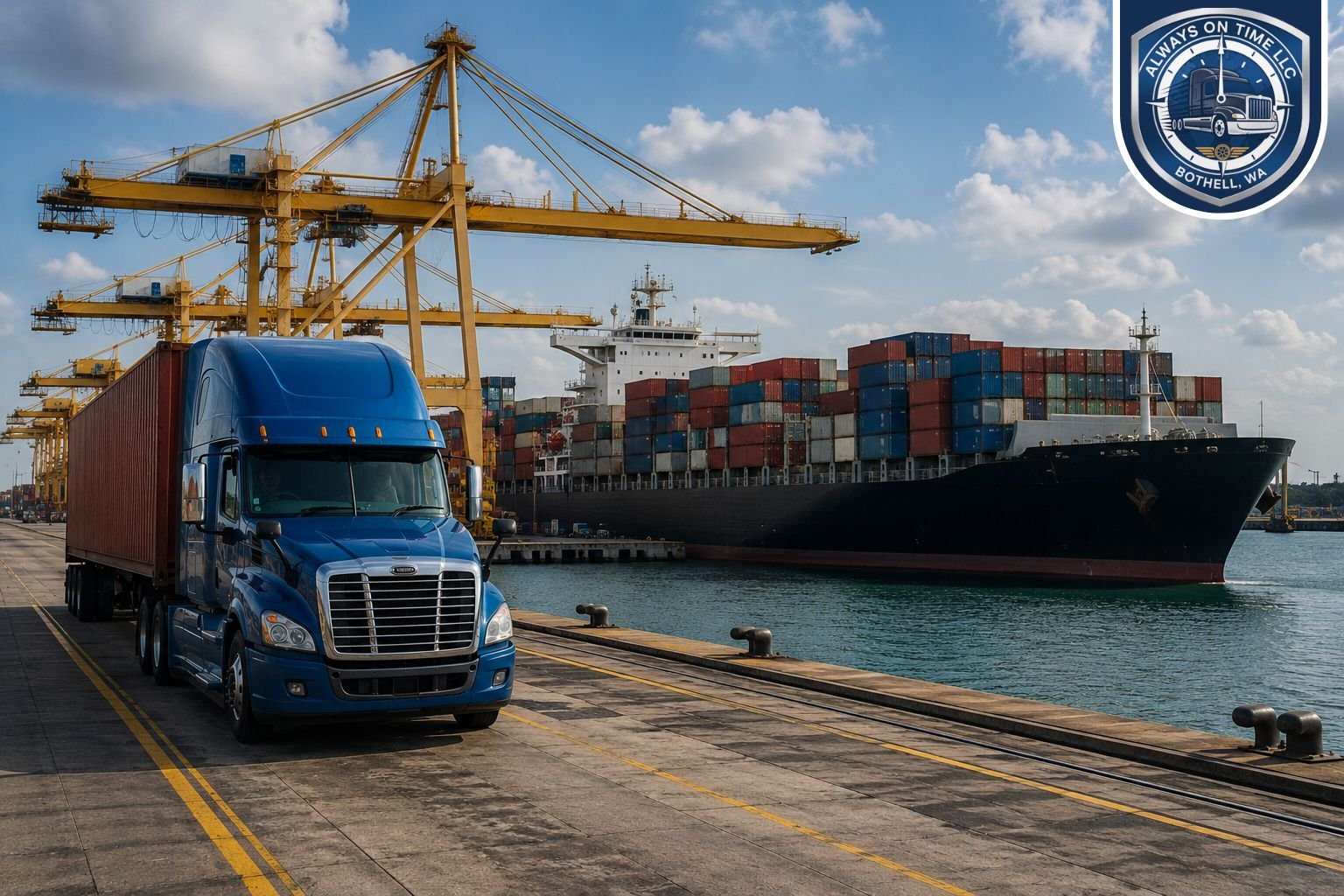
Moving Freight With Confidence
Commercial freight shipping plays an important role in keeping businesses supplied, connected, and ready to serve customers. From manufacturers and distributors to retailers and growing businesses, companies need dependable transportation for everyday operations. Commercial freight shipping provides a structured way to move products from one location to another while managing time, capacity, and delivery requirements. Moreover, reliable freight transportation can help businesses reduce delays and maintain stronger customer relationships. Whether you need regular loads or occasional transportation support, choosing the right carrier can make the entire process easier. With proper planning, clear communication, and dependable drivers, businesses can move freight with greater confidence.
What Is Commercial Freight Shipping?
Commercial freight shipping refers to the transportation of goods for businesses across local, regional, or nationwide routes. It can involve different types of freight, equipment, routes, and delivery schedules.
For example, a business may need to move packaged products from a warehouse to a distribution center. Similarly, a manufacturer may need transportation for raw materials or finished products. In each situation, the transportation provider must understand the shipment requirements and coordinate the right equipment.
Additionally, commercial freight shipping can support both recurring and one-time transportation needs. Businesses can plan shipments according to their inventory levels, customer demand, and delivery schedules. As a result, dependable transportation becomes an important part of efficient supply chain management.
Why Reliable Freight Transportation Matters
Freight transportation affects more than simply moving products from point A to point B. It also influences inventory planning, customer service, operating costs, and business growth.
First, dependable transportation helps reduce unnecessary delivery interruptions. When freight moves according to schedule, businesses can plan warehouse activities more effectively. Consequently, teams can spend less time dealing with unexpected transportation problems.
Furthermore, reliable transportation supports customer satisfaction. Customers expect their orders to arrive when promised. Therefore, businesses need transportation partners that understand the importance of timing and communication.
Another benefit involves flexibility. Freight needs can change quickly because of seasonal demand, new customers, or changing production schedules. A flexible carrier can help businesses respond without creating unnecessary transportation challenges.
Commercial Freight Shipping Services for Different Needs
Every shipment has different requirements. Therefore, businesses should consider the type of freight, distance, equipment, weight, and delivery schedule before selecting transportation services.
Dry Van Freight
Dry van transportation is commonly used for boxed, packaged, and non-temperature-controlled products. It offers enclosed protection from weather and road conditions.
As a result, dry van freight can work well for many general cargo shipments. Retail products, packaged goods, electronics, household products, and other dry commodities may require this type of transportation.
Flatbed Freight
Flatbed transportation provides an open trailer design. Therefore, it can make loading and unloading large or oversized freight easier.
Construction materials, machinery, steel, lumber, and industrial equipment may benefit from flatbed transportation. However, businesses should confirm load dimensions and securement requirements before arranging a shipment.
Power Only Transportation
Power only transportation involves a tractor pulling a trailer supplied by another party. This option can provide flexibility when a business already has access to trailers but needs qualified transportation capacity.
Moreover, power only solutions can help businesses manage changing freight volumes without maintaining additional equipment.
Choosing the Right Freight Carrier
Selecting a transportation provider requires more than comparing prices. Instead, businesses should evaluate reliability, communication, equipment, experience, and service quality.
First, consider whether the carrier understands your type of freight. A transportation provider with relevant experience can better understand loading requirements, route planning, and delivery expectations.
Next, look at communication. Clear updates can make freight management much easier. If a delay occurs, timely communication gives businesses an opportunity to adjust their plans.
Also, consider equipment availability. A carrier should have access to suitable equipment for your shipment. Otherwise, even a well-planned delivery can become difficult.
Finally, review the carrier’s overall approach to customer service. A dependable partner should focus on building long-term relationships instead of treating every shipment as a separate transaction.
How Owner Operators Support Freight Capacity
Owner operators play an important role in the trucking industry. They operate their own equipment and often work with carriers to transport freight across different routes.
For many drivers, an owner operator lease on arrangement can provide access to freight opportunities while allowing them to operate under a carrier’s authority and business structure. However, the exact terms can vary between carriers.
A lease on owner operator program may also provide access to dispatch support, freight opportunities, administrative assistance, or other resources. Therefore, drivers should understand the agreement, responsibilities, expenses, and settlement structure before joining.
For businesses, experienced owner operators can add valuable capacity. They can help carriers respond to changing freight demand and maintain coverage across different lanes.
Understanding MC on Lease and DOT on Lease Options
Trucking businesses often need proper operating authority and compliance support. Consequently, terms such as MC on lease and DOT on lease may appear when carriers and transportation professionals explore business arrangements.
An MC number generally relates to operating authority for certain interstate motor carriers and brokers. A USDOT number is used for identification and safety monitoring purposes. However, requirements depend on the business structure and type of operation.
Because regulations can vary, businesses and drivers should verify current requirements with the appropriate federal and state authorities. Proper compliance is essential for maintaining a professional trucking operation.
When evaluating an arrangement involving MC on lease or DOT on lease services, review the agreement carefully. Understand who handles compliance, insurance, filings, safety responsibilities, and other administrative requirements.
Commercial Freight Shipping and Business Growth
Reliable transportation can support business growth in several ways. First, it helps businesses reach customers across wider markets. A company doesn’t need to limit its customer base to nearby locations when dependable freight transportation is available.
Second, transportation flexibility can make expansion easier. For instance, a growing company may begin shipping to neighboring states and eventually develop nationwide distribution.
Moreover, predictable freight movement can improve inventory planning. Businesses can coordinate incoming materials and outgoing products more effectively. This can reduce unnecessary storage pressure and help teams maintain better operational control.
Commercial freight shipping also supports businesses that experience seasonal changes. During busy periods, additional transportation capacity can help prevent shipment backlogs.
Finding Transportation Capacity When Demand Changes
Freight volumes don’t always remain consistent. Some businesses experience increased demand during holidays, sales events, harvest seasons, or product launches.
Therefore, transportation planning should account for possible changes. Businesses can review historical shipment data, upcoming orders, and seasonal trends to estimate future capacity requirements.
Additionally, maintaining communication with transportation providers can make scaling easier. When carriers understand upcoming demand, they can prepare equipment and driver capacity more effectively.
For trucking professionals, this demand can also create opportunities. Qualified semitruck drivers may find work across different freight categories and routes, depending on their qualifications and available opportunities.
Truck Lease Options for Owner Operators
A truck lease can be an important consideration for drivers who want access to equipment without purchasing a truck outright. However, leasing involves financial responsibilities, so drivers should carefully review the terms.
Before signing an agreement, consider the monthly payment, maintenance responsibilities, mileage expectations, insurance requirements, and other operating costs. Additionally, understand what happens if the truck requires major repairs.
An owner operator should also evaluate expected revenue against fixed and variable expenses. Fuel, maintenance, insurance, permits, tires, tolls, and other costs can affect overall profitability.
The right decision depends on the driver’s financial situation, business goals, experience, and operating plan. Therefore, careful planning should come before choosing a truck lease arrangement.
Finding Owner Operator CDL Jobs
Drivers searching for owner operator cdl jobs should look beyond advertised pay. A strong opportunity should also provide clear expectations, reliable freight, professional support, and understandable settlement terms.
First, review the type of freight offered. Next, ask about typical lanes and dispatch procedures. Also, understand how fuel costs, insurance, maintenance, and other expenses are handled.
Furthermore, ask questions before committing. Drivers should know whether they can choose preferred lanes, how settlements work, and what support is available during a breakdown or delivery issue.
The goal isn’t simply to find more loads. Instead, drivers should look for an arrangement that supports sustainable business operations.
Ways to Improve Freight Shipping Efficiency
Businesses can improve transportation efficiency by planning ahead. Start by providing accurate shipment information. Include dimensions, weight, pickup details, delivery requirements, and special handling instructions.
Next, communicate scheduling changes as early as possible. Even a small change can affect driver availability and route planning.
Additionally, prepare freight before the scheduled pickup time. Proper packaging and documentation can reduce loading delays.
Technology can also help. Digital tracking, electronic documentation, and regular communication can provide better visibility throughout the shipment process.
Finally, review transportation performance regularly. Look at delivery times, delays, communication, and recurring issues. Then, use that information to improve future shipments.
What Makes a Freight Partner Reliable?
Reliability comes from consistent performance. A dependable transportation partner should focus on communication, safety, compliance, and timely service.
Moreover, reliability doesn’t mean that every shipment will go perfectly. Weather, traffic, mechanical problems, and other unexpected situations can affect transportation. What matters is how the carrier responds.
For example, early communication can give a business time to notify customers or adjust warehouse schedules. Similarly, responsive dispatch support can help drivers manage unexpected challenges.
Therefore, businesses should evaluate the complete service experience rather than focusing only on the lowest transportation rate.
Commercial Freight Shipping for Nationwide Business Needs
Companies serving customers across multiple states need transportation solutions that can support long-distance operations. Commercial freight shipping can help businesses connect warehouses, suppliers, distribution centers, and customers across broader markets.
Nationwide transportation also requires strong planning. Routes can involve different traffic patterns, weather conditions, delivery requirements, and regional regulations.
As a result, experienced drivers and dependable dispatch coordination become especially valuable. Businesses can benefit from transportation providers that understand the importance of route planning and consistent communication.
Whether freight moves across one state or several regions, the objective remains the same: deliver cargo safely, efficiently, and according to the agreed schedule.
Frequently Asked Questions
1. What is commercial freight shipping?
Commercial freight shipping is the transportation of goods for businesses. It can include dry van, flatbed, power only, and other transportation solutions based on the shipment requirements.
2. How do I choose the right freight carrier?
Start by reviewing the carrier’s experience, equipment, communication, service area, and reliability. Also, make sure the provider can meet your freight and scheduling requirements.
3. Are owner operators important for freight transportation?
Yes. Owner operators can provide valuable transportation capacity for carriers and businesses. Their flexibility can help support changing freight volumes and different routes.
4. What should I check before signing a truck lease?
Review payments, maintenance responsibilities, insurance requirements, mileage terms, repair responsibilities, and other costs. Understanding the full agreement can help you make a better business decision.
5. Can commercial freight shipping support nationwide deliveries?
Yes. Businesses can use commercial freight shipping to move products across multiple states. However, successful nationwide transportation requires proper planning, reliable equipment, qualified drivers, and effective communication.
Building a More Reliable Freight Operation
Strong transportation starts with the right planning and the right people. Businesses need dependable capacity, while drivers need opportunities that match their goals and operating needs. Therefore, choosing a transportation partner should involve more than looking at a single rate or load. It should focus on reliability, communication, flexibility, and long-term value. Whether you need regular freight transportation, additional capacity, or support for growing operations, the right approach can make shipping easier and more predictable. For dependable transportation support and opportunities designed around the needs of today’s trucking industry, Always On Time LLC is ready to help businesses and drivers move forward with confidence.