
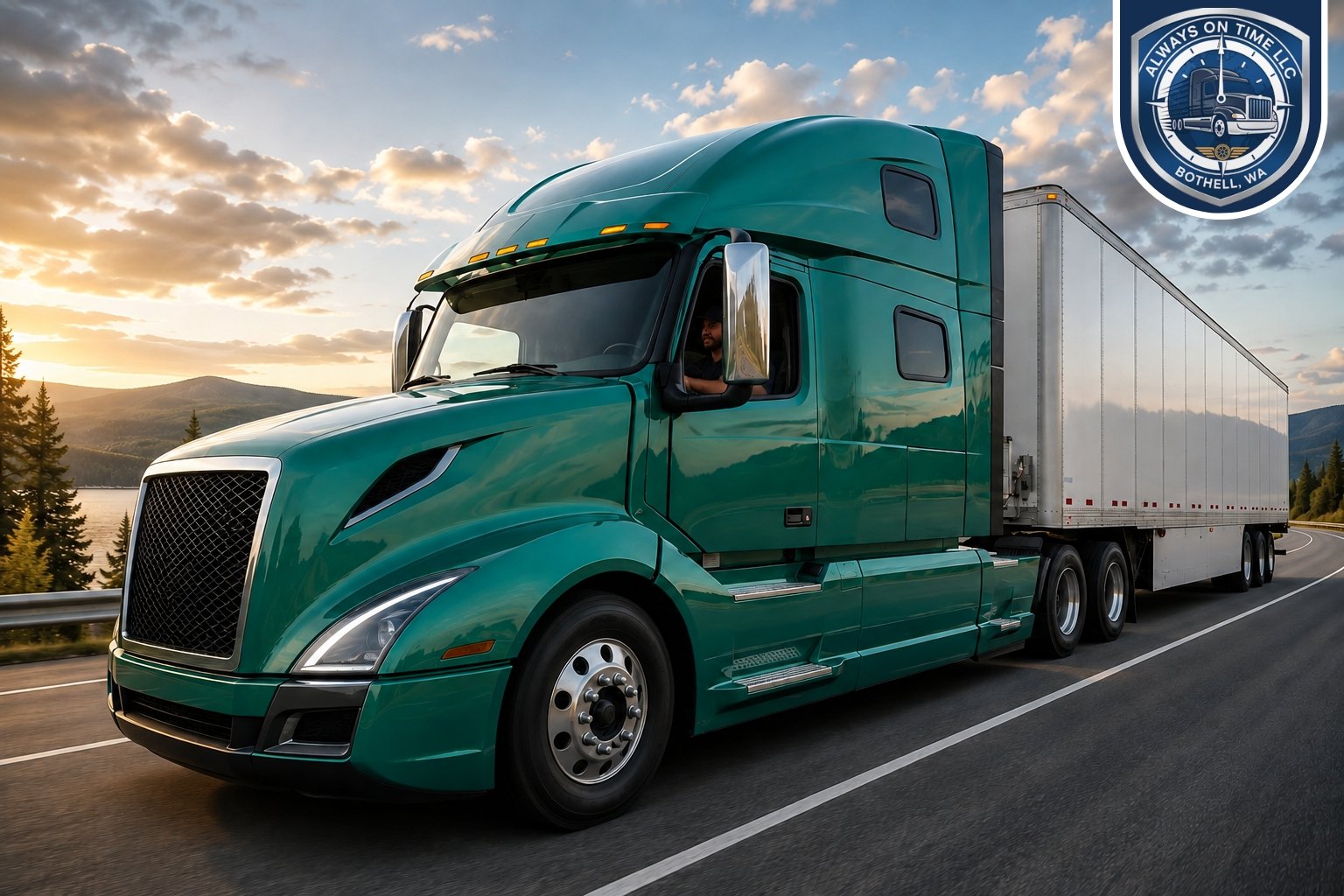
Semitruck drivers keep modern supply chains moving by connecting warehouses, manufacturers, retailers, and customers across long distances. Every day, these professionals manage tight schedules, changing road conditions, delivery requirements, fuel costs, and safety responsibilities. However, success in trucking requires more than simply driving from one location to another. Drivers must plan routes carefully, protect cargo, communicate with dispatchers, control expenses, and understand the business side of transportation. In addition, experienced drivers know that smart decisions can improve both income and career stability. For anyone entering or growing within trucking, understanding these responsibilities creates a stronger foundation for long-term professional success.
Why Semitruck Drivers Matter in Modern Freight
Semitruck drivers connect businesses with the products, materials, and equipment they need every day. Although technology helps companies track shipments, skilled drivers still make the physical movement of freight possible. They inspect equipment, respond to road conditions, meet delivery windows, and communicate when problems develop. Therefore, dependable drivers directly influence customer satisfaction and supply-chain performance.
In commercial freight shipping, consistency matters because one late load can affect warehouses, production lines, or retailers. As a result, drivers must balance timely service with safe and legal operation.
Daily Responsibilities Beyond the Steering Wheel
A professional driver’s work involves far more than highway miles. Before departure, drivers inspect tires, brakes, lights, fluids, mirrors, coupling equipment, and cargo securement. In addition, they review paperwork and delivery details to prevent avoidable delays.
Once a trip begins, truck drivers monitor traffic, weather, fuel, road restrictions, and available driving hours. Meanwhile, they communicate with dispatchers, brokers, shippers, or receivers when conditions change. Clear updates matter because customers can adjust their plans more easily when they receive accurate information early.
After arrival, drivers may manage check-in, dock instructions, and paperwork. Therefore, organized routines help save time and reduce errors.
Safety Habits Every Semitruck Driver Needs
Safety should guide every decision on the road. For example, drivers can reduce risk by maintaining following distance, scanning ahead, checking mirrors, and adjusting speed before conditions become dangerous. Furthermore, regular inspections help identify mechanical problems before they become roadside emergencies.
Fatigue management matters just as much. Although delivery pressure can feel urgent, driving while tired reduces concentration and reaction time. Therefore, semitruck drivers should plan rest, meals, fuel stops, and parking before exhaustion becomes a problem.
Weather also changes vehicle handling quickly. Rain, snow, ice, wind, and fog may require slower speeds and more space. Flatbed truck drivers need additional awareness because exposed loads can react strongly to wind and sudden movement. Consequently, preparation protects both the driver and the freight.
Semitruck Drivers and Smarter Route Planning
Good route planning improves safety, delivery performance, and operating costs. First, drivers should review the entire trip, including truck restrictions, bridge heights, construction, tolls, grades, and customer entrances.
Next, semitruck drivers should identify fuel stops and legal parking options. Because parking often fills quickly, planning alternatives creates flexibility. In addition, accounting for appointment windows and loading delays helps drivers give accurate updates without pressure to rush.
Choosing the Right Freight Type
Different freight types require different equipment, skills, and routines. Flatbed truck drivers, for instance, may handle tarps, chains, straps, edge protection, and specialized securement. Therefore, physical work and attention to load balance become especially important.
By comparison, dry Van Transportation uses enclosed trailers that protect freight from weather and simplify many loading situations. However, drivers still need to inspect seals, confirm cargo condition, and understand weight distribution.
Commercial freight shipping includes regional, dedicated, and long-haul opportunities. As a result, drivers can choose work that matches their goals.
Managing Time Without Sacrificing Safety
Time management helps drivers stay productive without turning every delivery into a race. To begin with, drivers should compare available driving hours with distance, traffic, fuel needs, parking, and appointment requirements.
However, semitruck drivers should never use an unrealistic schedule as a reason to speed or skip necessary rest. Instead, they should communicate early when delays make an appointment difficult. Furthermore, organized documents and strategic fueling reduce wasted minutes. Consequently, small improvements make the week run more smoothly.
Understanding the Owner Operator Path
Many experienced drivers eventually consider becoming an owner operator. This path can provide more control, but it also adds business responsibilities. An owner operator must evaluate revenue, fuel, maintenance, insurance, taxes, permits, downtime, and equipment costs.
Therefore, drivers should calculate operating cost per mile before making major decisions. Gross revenue alone does not show whether a load creates healthy profit. In addition, an emergency reserve can protect the business when repairs or downtime occur.
Some drivers search for an owner operator lease on opportunity because they want access to freight without developing every customer relationship themselves. However, they should compare compensation, deductions, insurance requirements, freight consistency, and termination terms before signing.
Lease On Owner Operator Opportunities: What to Review
A lease on owner operator arrangement can work well when both sides understand the expectations. First, drivers should know how pay works because percentage-based and mileage-based compensation can produce very different results.
Next, review trailer charges, insurance, permits, technology fees, fuel programs, escrow, and administrative deductions. Consequently, compare expected net income instead of advertised gross revenue.
In addition, ask how dispatch works, whether drivers can select loads, and how settlements, maintenance responsibilities, chargebacks, and exit terms are handled. Therefore, careful contract review helps prevent costly misunderstandings.
Evaluating a Truck Lease Carefully
A truck lease may help a driver access equipment without buying a truck outright, but every agreement creates financial obligations. Before signing, drivers should examine payments, mileage limits, maintenance duties, insurance requirements, end-of-term options, and early termination rules.
Moreover, semitruck drivers should estimate total costs under realistic mileage assumptions. A low weekly payment can appear attractive, yet extra deductions may reduce take-home income. Therefore, drivers need a complete cost picture before committing.
Maintenance deserves special attention. As a result, drivers should know who pays for scheduled service and unexpected mechanical failures.
Fuel Efficiency and Cost Control
Fuel represents a major variable cost in trucking. Consequently, smooth acceleration, steady speeds, proper tire inflation, reduced idling, and thoughtful route planning can create meaningful savings.
In addition, driving too far out of route for cheaper fuel may erase the benefit. Therefore, semitruck drivers should consider both price and added mileage. Because data reveals patterns, owner operators can also track fuel performance to improve cost control.
Communication Builds a Strong Reputation
Trucking depends on communication almost as much as transportation. Drivers work with dispatchers, customers, maintenance teams, brokers, and warehouse staff. Therefore, clear and respectful updates can stop small problems from becoming larger disputes.
For example, if traffic creates a serious delay, semitruck drivers should report it as soon as they can safely do so. Early communication gives the receiving facility more time to adjust. Likewise, drivers should document cargo issues, detention, damaged equipment, or unusual instructions when those details may affect payment or responsibility.
Although delays can be frustrating, calm communication protects working relationships and builds trust.
Technology and Long-Term Career Growth
Modern trucking uses technology for navigation, logging, load tracking, fuel management, and communication. However, technology should support judgment rather than replace it. Therefore, drivers should verify important route details instead of trusting an app blindly.
In addition, semitruck drivers can use digital records to track fuel, expenses, maintenance, and settlements. Consequently, accurate records help an owner operator evaluate performance and adapt as freight conditions change.
Drivers should also continue learning throughout their careers. Regulations, equipment, customer expectations, and freight conditions can change. Therefore, professionals who strengthen their operating knowledge can respond to new opportunities more effectively. Moreover, maintaining healthy routines around sleep, meals, movement, and stress can help drivers remain focused during demanding schedules.
Frequently Asked Questions
What skills are most important for semitruck drivers?
Safe vehicle control, route planning, time management, communication, cargo awareness, and equipment knowledge all matter. In addition, drivers who understand operating costs and customer expectations can make stronger career decisions.
Is flatbed driving harder than dry van driving?
Flatbed work can require more physical effort because drivers secure exposed cargo. However, dry van work also brings challenges such as appointment windows and dock delays.
What should I check before choosing an owner operator lease on program?
Review compensation, deductions, insurance requirements, freight availability, dispatch policies, settlement timing, equipment responsibilities, and contract termination terms. Moreover, calculate expected net income with realistic expenses before signing.
Can a truck lease work for an owner operator?
Yes, a truck lease can fit certain business plans when payment and maintenance terms match realistic revenue expectations. However, drivers should compare total costs, restrictions, responsibilities, and end-of-term options before committing.
How can drivers improve on-time delivery performance?
Plan routes early, confirm appointment details, account for traffic and parking, maintain equipment, and communicate delays quickly. Therefore, reliable performance usually comes from preparation rather than rushing.
Moving Forward With Skill, Safety, and Better Decisions
Semitruck drivers build stronger careers when they combine safe driving with careful planning, communication, cost control, and professionalism. Although every route brings different challenges, good habits help drivers respond without sacrificing safety or service. Drivers who understand freight types, evaluate a truck lease carefully, study leases on owner operator opportunities, and track the true cost of operating can make more informed decisions. Moreover, an owner operator who treats trucking like a business can create greater stability over time. For drivers seeking dependable freight relationships and professional transportation opportunities, Alwayas on Time LLC can be part of the next stage of a focused trucking career.