
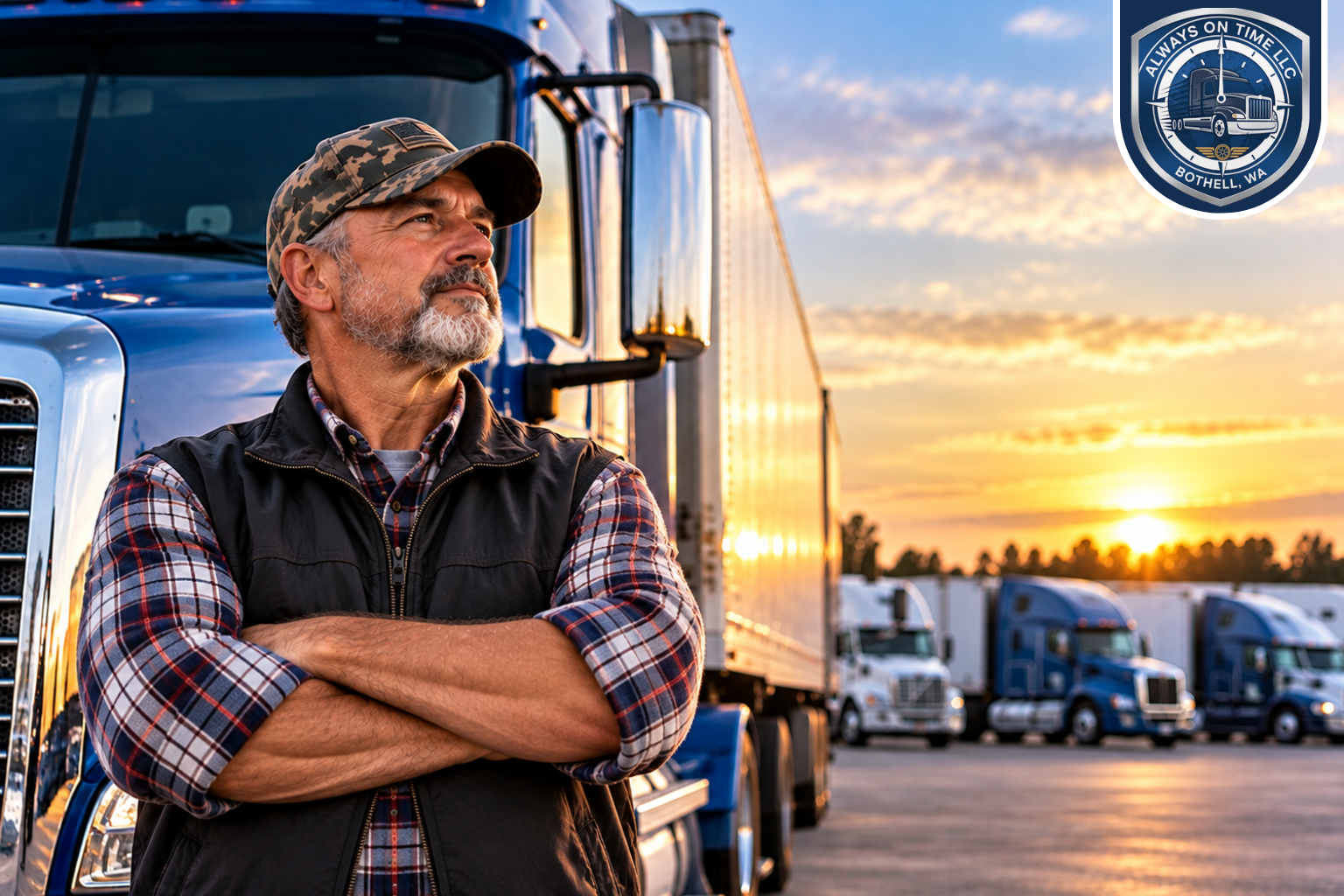
Hiring veteran truck drivers can help trucking companies reach qualified candidates with military vehicle experience and transportation skills. The U.S. Bureau of Labor Statistics reports that heavy and tractor-trailer truck drivers earned a $58,640 median annual wage in May 2025. Veterans may also qualify for federal CDL testing programs based on their military driving experience.
Why should trucking companies hire veteran truck drivers?
Trucking companies should consider veteran applicants because military driving experience can provide relevant skills for civilian transportation work.
Veterans may have experience operating heavy vehicles, following safety procedures, completing inspections, managing schedules, and working with transportation teams. However, military experience does not automatically qualify a person for every civilian trucking position.
Employers should review each applicant’s CDL status, driving history, military vehicle experience, endorsements, and other job requirements. A consistent screening process helps companies assess veteran and non-veteran applicants using the same job-related standards.
The Federal Motor Carrier Safety Administration, or FMCSA, provides programs that can help eligible military drivers transition to civilian CDL careers. These programs can reduce certain testing requirements when applicants meet the applicable federal and state conditions.
For trucking companies, veteran recruitment can therefore be part of a wider strategy for finding qualified CDL professionals.
What skills can veteran truck drivers bring to civilian trucking?
Veteran truck drivers may bring several transferable skills, including vehicle operation, safety awareness, route planning, equipment checks, communication, and responsibility for transportation assignments.
Military driving roles can involve vehicles that are comparable to civilian commercial motor vehicles. FMCSA’s Military Skills Test Waiver Program is available to eligible military personnel and veterans who meet specific requirements, including qualifying experience operating heavy military vehicles.
However, employers should review the actual duties performed by each applicant. A military job title alone does not establish civilian commercial driving qualifications.
A strong hiring process should ask applicants to explain:
- What types of military vehicles they operated
- How long they operated those vehicles
- Whether they held a military driver’s license
- What safety training they completed
- Whether they have a civilian CDL
- Which CDL class and endorsements they hold
- What type of freight or equipment they have handled
- Whether they have relevant civilian driving experience
This information helps employers match candidates with appropriate veteran truck drivers jobs.
Can military experience help veterans obtain a CDL?
Yes, eligible military experience can help some veterans obtain a civilian CDL through federal waiver programs.
FMCSA’s Military Skills Test Waiver Program allows qualified applicants to seek a waiver of the CDL skills test. FMCSA states that the program is available in every state and has been used by more than 40,000 service members and veterans. Applicants must meet specific requirements and submit the necessary information to their state licensing agency.
The Even Exchange Program can also allow qualified military drivers to receive a waiver of the CDL knowledge test in participating states. State procedures and participation can differ, so applicants should check their state driver’s licensing agency before relying on a waiver.
As of September 2026, FMCSA also has a temporary waiver that extends certain eligibility periods from one year to two years for qualified current and former military service members. The waiver took effect July 30, 2026, and is scheduled to expire October 29, 2026.
Therefore, trucking employers should encourage veteran applicants to verify their individual CDL eligibility instead of assuming that military experience provides an automatic waiver.
Which CDL truck driving jobs can veterans pursue?
Veterans can pursue different CDL truck driving jobs based on their license, experience, endorsements, equipment knowledge, and the requirements of individual employers.
Dry Van Truck Drivers
Dry van truck drivers operate enclosed trailers that commonly carry general freight that does not require temperature control.
This work can involve regional or long-distance routes. Drivers need to follow company procedures, inspect equipment, manage delivery schedules, and comply with applicable transportation regulations.
Flatbed Truck Drivers
Flatbed truck drivers operate open-deck trailers used for freight that may not fit inside an enclosed trailer.
Depending on the operation, flatbed freight can include construction materials, machinery, steel, lumber, and other large loads. Proper cargo securement is an important part of the job.
Veterans with relevant equipment and cargo-handling experience may consider flatbed positions when their qualifications match the employer’s requirements.
Semitruck Drivers
Semitruck drivers operate tractor-trailer combinations to transport freight between locations.
The work can include vehicle inspections, route planning, communication with dispatch, freight documentation, and compliance with hours-of-service requirements. BLS reports that heavy and tractor-trailer truck drivers typically need a CDL and may work long-distance routes.
Power Only Truck Drivers
Power only truck drivers operate a tractor that pulls a trailer supplied through the applicable freight arrangement.
This type of opportunity can appeal to owner-operators who already have a tractor and want to work with a carrier for freight opportunities.
Always On Time LLC currently lists Dry Van, Flatbed, Semi Truck, and Power Only driver opportunities on its truck-driver page. The company states that it works with experienced and dependable drivers and provides dispatch support and freight opportunities.
What should trucking companies check before hiring veterans?
Trucking companies should verify each driver’s qualifications, driving history, licensing, and ability to meet the requirements of the specific position.
A practical screening process can include:
- CDL verification: Confirm the driver’s current CDL and applicable class.
- Endorsements: Check whether the position requires additional endorsements.
- Driving history: Review the applicant’s driving record according to applicable requirements.
- Experience: Confirm military and civilian vehicle experience.
- Equipment knowledge: Match the driver’s experience with the equipment used by the company.
- Safety requirements: Review the driver’s record and required qualifications.
- Employment history: Verify relevant previous work experience.
- Documentation: Request required records and certifications.
Employers should also explain the position clearly before hiring. Candidates should understand the equipment, freight type, routes, schedule, compensation structure, and other employment terms.
This approach helps a company evaluate applicants based on the actual requirements of the job.
How can companies make veteran recruitment easier?
Companies can make veteran recruitment easier by using clear job descriptions and explaining how military experience may relate to civilian trucking work.
Military terminology does not always translate directly into civilian job titles. A veteran may have substantial vehicle experience without using the same terminology found in a commercial trucking job advertisement.
For example, a job posting can identify the type of equipment, CDL class, experience requirements, route expectations, and physical duties. It can also explain whether the company hires company drivers, owner-operators, or both.
Always On Time LLC states that it is hiring Dry Van, Flatbed, Semi Truck, and Power Only drivers. Its current driver page also states that the company works with experienced owner-operators and company drivers.
Clear information allows veteran applicants to determine whether their experience matches the position before they apply.
What is the difference between common truck driver positions?
The main differences between common truck driver positions involve trailer type, freight, equipment, and daily responsibilities.
| Driver Position | Equipment | Typical Freight | Important Skills | Best Qualification Match |
|---|---|---|---|---|
| Dry Van Truck Drivers | Enclosed trailer | General freight | Safe driving, trip planning | General freight experience |
| Flatbed Truck Drivers | Open-deck trailer | Machinery, steel, lumber, materials | Cargo securement, equipment handling | Flatbed or similar experience |
| Semitruck Drivers | Tractor-trailer | General or specialized freight | Vehicle operation, inspections | CDL tractor-trailer experience |
| Power Only Truck Drivers | Tractor pulling supplied trailer | Various freight | Tractor operation, trip planning | Owner-operators or qualified tractor drivers |
The table provides a general comparison. Actual duties, requirements, routes, and compensation depend on the employer and position.
How can veteran applicants prepare for CDL truck driving jobs?
Veteran applicants should prepare their CDL information, driving history, military experience, and relevant records before applying.
A resume should explain the applicant’s actual driving responsibilities rather than relying only on military job titles. For example, candidates can identify the types of vehicles they operated, the duration of their experience, transportation duties, safety training, and relevant certifications.
Veterans should also confirm whether their military experience may qualify them for an FMCSA CDL waiver. The state licensing agency makes the applicable licensing decision, and requirements can vary.
The Department of Veterans Affairs also provides employment resources that can help veterans connect military skills with civilian careers and obtain assistance with resumes and job searches.
Applicants can then target positions that match their CDL, experience, equipment knowledge, and preferred work pattern.
Why should companies create veteran-friendly trucking job postings?
Veteran-friendly job postings can make it easier for qualified military applicants to understand how their experience relates to civilian trucking positions.
A useful posting should clearly state:
- CDL class required
- Endorsements required
- Minimum driving experience
- Equipment used
- Freight type
- Route expectations
- Driver type
- Job responsibilities
- Application requirements
- Contact or application process
Companies should avoid implying that every veteran automatically meets the requirements. Instead, they can explain that applicants with relevant military driving experience are welcome to apply and should provide documentation of their qualifications.
FMCSA specifically provides resources for transitioning service members and veterans pursuing careers in trucking, including CDL waiver information and veteran employment programs.
This gives employers a practical way to communicate opportunities without making unsupported claims about a candidate’s qualifications.
How can Always On Time LLC support veteran driver applicants?
Always On Time LLC offers several driver opportunities that may be relevant to qualified veteran drivers.
Its current truck-driver page lists Dry Van, Flatbed, Semi Truck, and Power Only opportunities. The company says it works with experienced and dependable drivers and provides reliable freight, dispatch support, and opportunities for both owner-operators and company drivers.
Veterans should review the requirements for the specific position before applying. Their military experience may be relevant, but the company and driver should still confirm the CDL, driving history, experience, and other requirements applicable to the position.
For veterans moving from military transportation work into civilian trucking, clear communication about qualifications can make the application process easier to understand.
What should employers know about veteran hiring and CDL compliance?
Employers should treat veteran recruiting as a source of qualified candidates while maintaining normal driver qualification and compliance procedures.
Military experience can provide useful background, but employers still need to verify the driver’s civilian licensing and applicable qualifications. FMCSA rules and state licensing requirements determine whether a military driver qualifies for a particular CDL waiver.
Companies should also avoid promising a CDL waiver, employment, or specific compensation before reviewing an applicant’s circumstances.
A clear process benefits both sides. Employers can assess qualifications consistently, while veterans can understand what documentation they need and which positions match their experience.
For companies seeking CDL truck drivers, veteran recruitment can therefore complement other hiring channels without replacing careful driver qualification procedures.
Frequently Asked Questions
1. Can military drivers apply for civilian truck driving jobs?
Yes, military drivers can apply for civilian truck driving jobs when they meet the employer’s requirements. Relevant military vehicle experience may support a transition into commercial driving. However, applicants still need to meet applicable CDL, driving-record, medical, and other requirements for the specific position and state.
2. Can veterans get a CDL skills test waiver?
Qualified veterans may be eligible for the FMCSA Military Skills Test Waiver. The program can allow qualifying military drivers to seek a waiver of the CDL skills test. Eligibility depends on military driving experience and other requirements. State licensing agencies manage applications, so veterans should confirm current requirements before applying.
3. What veteran truck drivers jobs are available?
Veterans can consider roles such as dry van truck drivers, flatbed truck drivers, semitruck drivers, and power only truck drivers. The appropriate position depends on CDL class, endorsements, driving experience, equipment knowledge, and employer requirements. Applicants should compare the duties and qualifications for each position before submitting an application.
4. Does military driving experience count toward trucking experience?
Military driving experience may be relevant to civilian trucking, particularly when it involved operating vehicles comparable to commercial motor vehicles. However, employers should verify the actual vehicle type, duties, length of service, and documentation. Military experience does not automatically satisfy every company’s commercial driving experience requirement.
5. Does Always On Time LLC hire veteran truck drivers?
Always On Time LLC lists Dry Van, Flatbed, Semi Truck, and Power Only driver opportunities. The company states that it seeks experienced and dependable drivers and works with company drivers and owner-operators. Veterans can review the available positions and determine whether their CDL, driving experience, and other qualifications match the requirements.
Conclusion: Is hiring veteran truck drivers right for your fleet?
Hiring veteran truck drivers can give trucking companies another qualified candidate pool while helping experienced military drivers transition into civilian transportation careers. The right approach is to evaluate each applicant’s CDL, driving record, military experience, equipment knowledge, and position-specific qualifications.
For veterans looking for veteran truck drivers jobs or CDL truck driving jobs, positions such as Dry Van, Flatbed, Semi Truck, and Power Only driving can provide different career paths based on their qualifications.
Always On Time LLC currently offers multiple truck-driver opportunities for qualified professionals.
Are you a veteran ready to put your driving experience to work? Review the available truck driver opportunities and contact Always On Time LLC to learn more about the positions that match your qualifications.