
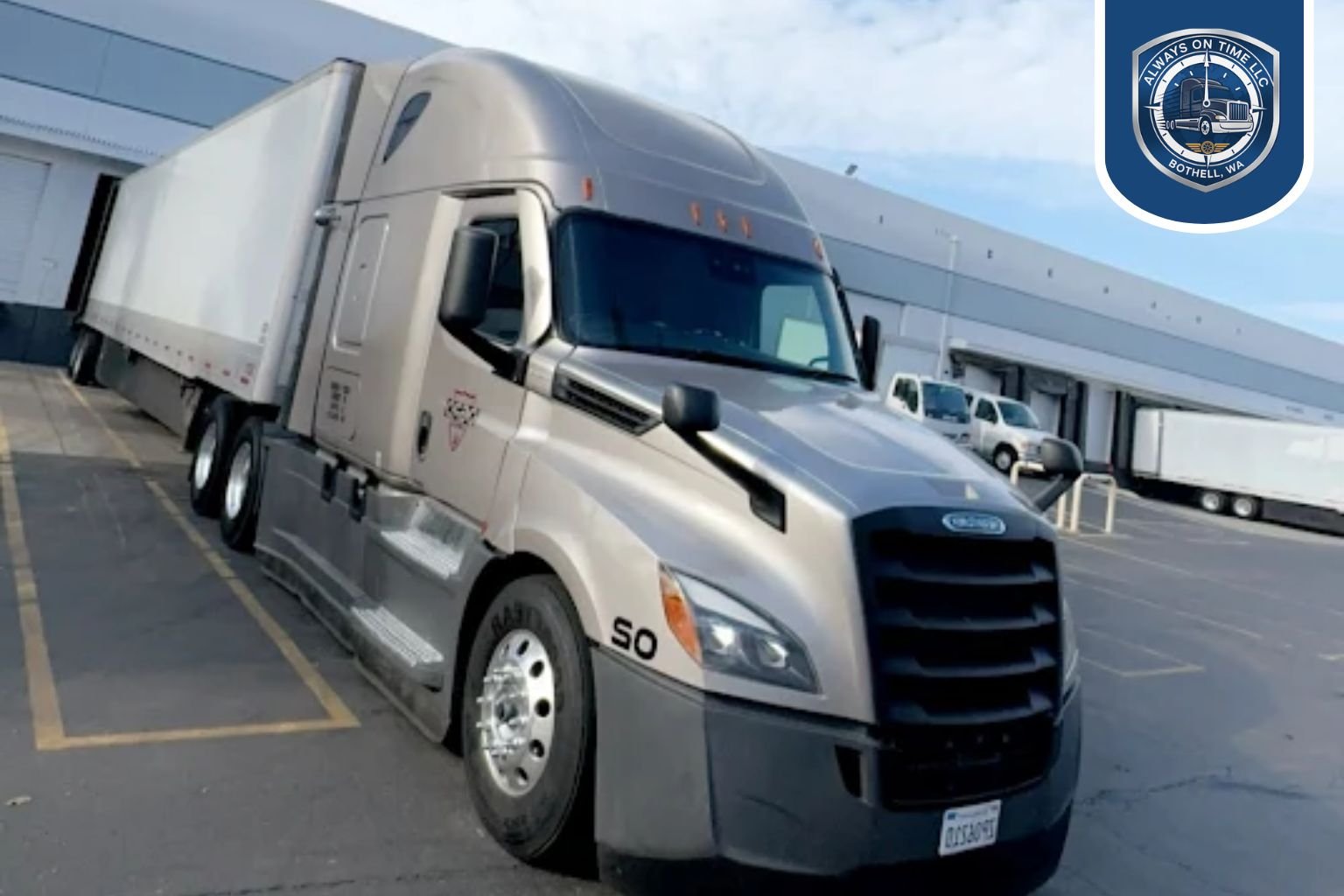
In today’s fast-moving economy, businesses rely heavily on dependable transportation partners to keep products moving efficiently across the country. Whether shipping raw materials, finished goods, machinery, or consumer products, selecting the right trucking company can have a direct impact on customer satisfaction, operational efficiency, and overall business success.
With countless transportation providers available, finding the right carrier may seem challenging. Not all trucking companies offer the same level of reliability, service quality, or industry expertise. Choosing a transportation partner requires careful evaluation of several important factors that can influence shipping performance and long-term business growth.
This guide explores the key factors businesses should consider when choosing a trucking company and explains why making the right decision can improve supply chain performance while reducing transportation risks.
Understanding the Importance of a Reliable Trucking Partner
Transportation is one of the most critical links in the supply chain. Delays, damaged freight, poor communication, or inconsistent service can create disruptions that affect customers and business operations.
A professional trucking company does more than simply move freight from one location to another. The right carrier becomes a strategic partner that helps businesses maintain inventory levels, meet delivery schedules, and support long-term growth.
When evaluating potential transportation providers, companies should focus on factors that contribute to safety, reliability, efficiency, and customer service.
Experience and Industry Knowledge
One of the first factors to evaluate is the company’s experience within the transportation industry.
Experienced carriers understand the challenges associated with freight transportation, route planning, regulatory compliance, and shipment management. Their knowledge allows them to respond effectively to unexpected situations while maintaining service quality.
A trucking company with years of experience often has established processes, trained drivers, and operational systems that contribute to smoother transportation services.
Businesses should look for carriers that have a strong understanding of their specific shipping requirements and industry needs.
Service Coverage and Geographic Reach
Coverage area plays a major role when selecting a trucking company.
Businesses operating across multiple states need a transportation provider capable of handling shipments efficiently throughout their service region. A carrier with broad geographic coverage can simplify logistics operations by reducing the need to coordinate with multiple providers.
Nationwide transportation capabilities often provide greater flexibility and improved consistency for businesses shipping freight across different markets.
Companies should confirm that the carrier regularly services the locations where shipments originate and where they need to be delivered.
Types of Transportation Services Offered
Different freight types require different transportation solutions.
Before choosing a trucking company, businesses should evaluate whether the carrier offers the services needed for their shipments.
Common transportation services include:
- Full Truckload (FTL) Shipping
- Dry Van Transportation
- Flatbed Transportation
- Dedicated Freight Services
- Expedited Shipping
- Specialized Freight Solutions
A company that specializes in the required transportation method can often provide better service and more efficient freight handling.
For example, businesses moving large shipments may benefit from Full Truckload services, while oversized equipment may require flatbed transportation.
Safety Record and Compliance Standards
Safety should always be a top priority when selecting a trucking company.
A carrier’s safety performance reflects its commitment to protecting drivers, freight, and the public. Companies with strong safety records are generally more reliable and less likely to experience costly transportation disruptions.
Businesses should consider factors such as:
- Driver training programs
- Vehicle maintenance practices
- Regulatory compliance
- Safety certifications
- Inspection records
A transportation provider that prioritizes safety demonstrates professionalism and long-term operational stability.
Fleet Quality and Equipment Reliability
The condition of a trucking company’s fleet directly affects shipment reliability.
Modern, well-maintained equipment reduces the risk of breakdowns, delays, and transportation interruptions. Companies that invest in their fleet are often better positioned to provide consistent service and dependable delivery schedules.
When evaluating a carrier, businesses should consider:
- Fleet age
- Maintenance programs
- Equipment availability
- Trailer types
- Technology integration
Reliable equipment contributes to safer operations and improved freight protection throughout transit.
On-Time Delivery Performance
Timely delivery is one of the most important measurements of transportation success.
Late shipments can create inventory shortages, production delays, and dissatisfied customers. For many businesses, delivery reliability directly impacts profitability and customer retention.
When choosing a trucking company, businesses should inquire about:
- Delivery performance metrics
- Service reliability
- Route planning strategies
- Dispatch support systems
Carriers with strong on-time delivery records demonstrate operational efficiency and a commitment to customer satisfaction.
Driver Quality and Professionalism
Drivers play a critical role in transportation operations.
Professional drivers not only transport freight safely but also represent the carrier during customer interactions. Experienced drivers understand how to manage freight responsibly while maintaining delivery schedules and complying with safety regulations.
A quality trucking company invests in driver recruitment, training, and retention.
Businesses should seek transportation providers that prioritize driver professionalism, safety awareness, and customer service excellence.
Communication and Customer Support
Effective communication is essential for successful freight transportation.
Businesses need visibility into shipment status, delivery schedules, and potential issues that may arise during transit.
A dependable trucking company should provide:
- Responsive customer support
- Shipment updates
- Clear communication channels
- Quick issue resolution
- Dedicated dispatch assistance
Strong communication helps prevent misunderstandings while improving the overall shipping experience.
Freight Security and Cargo Protection
Protecting freight throughout transportation is a major responsibility for any trucking company.
Businesses entrust carriers with valuable products, equipment, and materials. Proper freight handling procedures help reduce the risk of damage, theft, or loss.
Factors to evaluate include:
- Cargo securement procedures
- Trailer security measures
- Freight handling practices
- Driver training programs
- Risk management strategies
A carrier that emphasizes cargo protection provides additional peace of mind for customers.
Technology and Shipment Visibility
Modern transportation companies increasingly rely on technology to improve service quality.
Technology solutions help carriers manage routes, track shipments, monitor equipment, and communicate with customers more effectively.
Benefits of technology-driven transportation include:
- Real-time shipment tracking
- Improved route efficiency
- Better communication
- Faster issue resolution
- Enhanced operational visibility
Businesses often benefit from working with carriers that leverage modern logistics technology.
Scalability and Long-Term Partnership Potential
As businesses grow, transportation requirements often change.
Choosing a trucking company that can support future growth helps avoid disruptions caused by changing providers later.
Scalable transportation partners can accommodate:
- Increased shipment volumes
- Expanded service areas
- New freight requirements
- Seasonal demand fluctuations
A long-term relationship with a dependable carrier can create greater efficiency and consistency over time.
Reputation and Customer Reviews
A trucking company’s reputation can provide valuable insight into service quality.
Customer reviews, testimonials, and industry feedback often reveal how a carrier performs in real-world situations.
Businesses should research:
- Customer satisfaction
- Service consistency
- Industry reputation
- Problem-solving capabilities
- Long-term client relationships
A positive reputation often indicates a commitment to reliability and customer service.
Cost Versus Value
While transportation costs are important, businesses should avoid making decisions based solely on price.
The lowest-cost carrier may not always provide the best value. Delays, damaged freight, poor communication, and inconsistent service can ultimately cost more than slightly higher transportation rates.
Instead of focusing only on price, businesses should evaluate:
- Service quality
- Reliability
- Safety performance
- Communication
- Freight protection
The best transportation partner provides a balance of competitive pricing and dependable service.
Why the Right Trucking Company Matters
The transportation provider a business chooses can influence nearly every aspect of supply chain performance.
A dependable carrier helps businesses:
- Improve delivery reliability
- Reduce transportation risks
- Increase customer satisfaction
- Maintain operational efficiency
- Support long-term growth
Choosing the right trucking company requires careful evaluation of experience, safety, equipment, communication, service capabilities, and overall reliability.
Conclusion
Selecting a trucking company is one of the most important logistics decisions a business can make. A reliable transportation partner does more than move freight—they help strengthen supply chains, improve operational performance, and support business growth.
By evaluating factors such as experience, service coverage, safety standards, equipment quality, communication, freight protection, and delivery performance, businesses can make informed decisions that lead to better transportation outcomes.
At Always On Time LLC, dependable Full Truckload transportation, Dry Van freight services, and Flatbed solutions are delivered with a strong commitment to safety, reliability, and customer satisfaction across 48 states. Choosing a trusted carrier ensures freight arrives where it needs to be—safely, efficiently, and on time.