
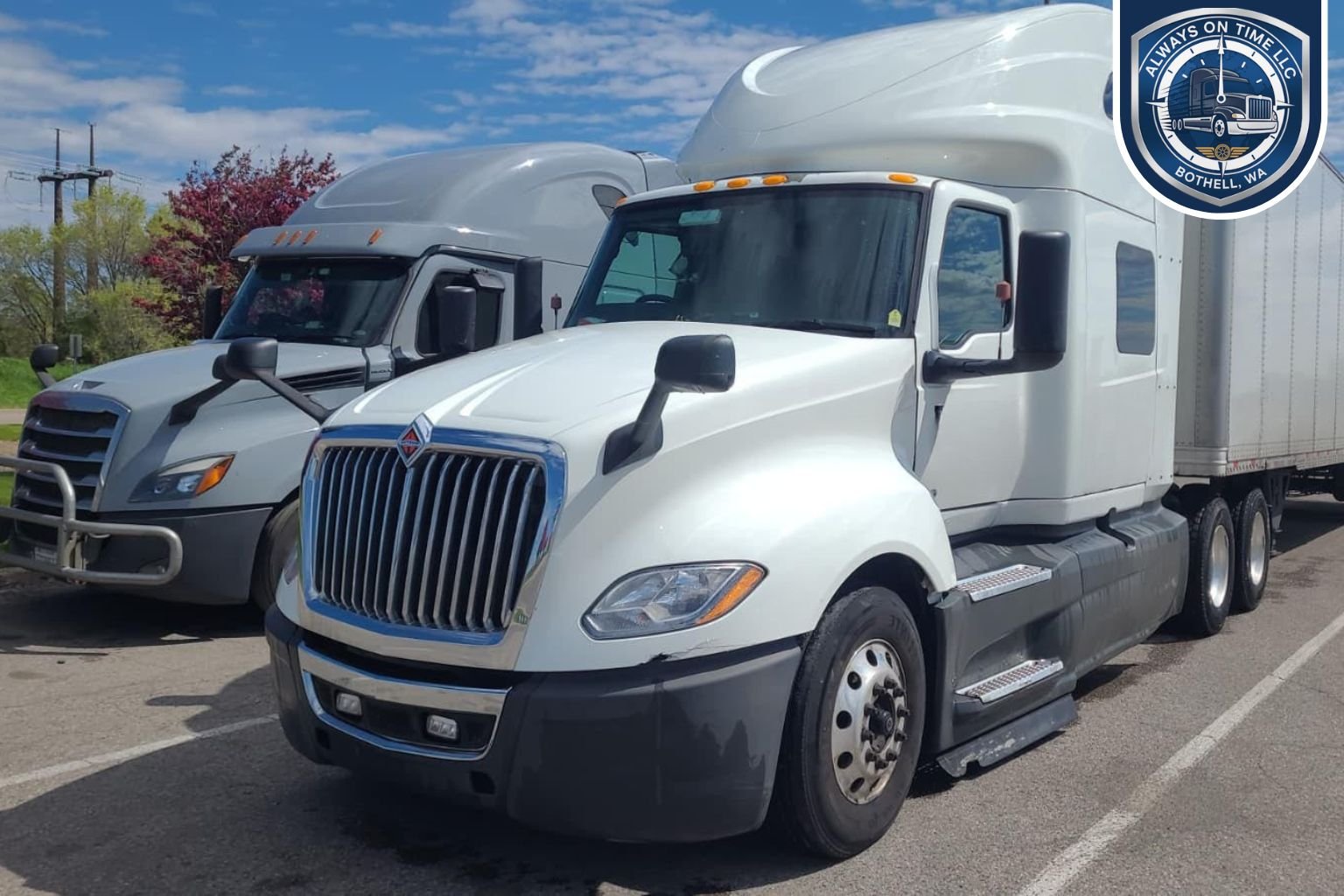
Choosing the right truck lease can make a major difference in your trucking career. For owner-operators, the right lease can provide access to a dependable truck without requiring the full cost of purchasing one upfront. At the same time, it’s important to understand the terms, payments, insurance, maintenance, and operating responsibilities before signing an agreement. A good truck lease should fit your business goals, freight needs, and expected income. Therefore, taking time to compare options can help you avoid unnecessary costs. In this guide, we’ll explain how truck leasing works, what to consider, and how an owner-operator can choose a practical option for long-term growth.
What Is a Truck Lease?
A truck lease is an agreement that allows a driver or trucking business to use a commercial truck for a specific period in exchange for regular payments.
Instead of purchasing a truck outright, you make scheduled payments based on the lease terms. Depending on the agreement, you may also have responsibilities for maintenance, insurance, registration, repairs, and other operating expenses.
For owner-operators, leasing can provide flexibility. You can potentially get into a newer or reliable truck without making the large upfront investment required for a traditional purchase.
However, every lease agreement is different. Therefore, you should carefully review:
- Monthly or weekly payment amounts
- Lease duration
- Mileage limits, if applicable
- Maintenance responsibilities
- Insurance requirements
- Down payment or security deposit
- Early termination terms
- Purchase options
- End-of-lease conditions
Understanding these details can help you make a more informed decision.
Truck Lease Options for Owner-Operators
There isn’t one truck lease option that works for every driver. Instead, owner-operators should consider their driving style, business model, freight type, and financial goals.
Full-Service Truck Lease
A full-service arrangement may include certain maintenance or support services. As a result, it can reduce some of the daily responsibilities associated with keeping a truck operational.
This option can be useful for drivers who want predictable expenses and additional support. However, the overall payment may be higher than a basic lease.
Maintenance-Included Lease
Some agreements include maintenance support as part of the lease. This can make budgeting easier because certain repair and maintenance expenses may already be covered.
Still, always check what is actually included. Tires, major repairs, roadside assistance, and other services may have separate terms.
Lease-to-Own Truck Programs
A lease-to-own program can provide a potential path toward truck ownership. Typically, the driver makes regular payments while operating the truck under the agreement.
Over time, the driver may have the opportunity to own the vehicle after meeting the contract requirements.
Before choosing this route, review the total cost. A lower weekly payment doesn’t always mean a lower overall cost.
How Does a Truck Lease Work?
The basic process is relatively straightforward. First, you select a truck and review the available agreement. Next, you evaluate the payment structure and operating responsibilities.
After approval, you sign the agreement and take possession of the truck. Then, you begin making the required payments while following the lease conditions.
Your responsibilities may include:
- Maintaining the truck according to the agreement.
- Keeping proper commercial insurance.
- Paying fuel and operating expenses.
- Completing required inspections.
- Managing taxes and business expenses.
- Following applicable federal and state regulations.
- Meeting the terms of the lease agreement.
For an owner-operator, these responsibilities matter because your truck directly affects your ability to generate revenue.
Benefits of a Truck Lease
A truck lease can offer several advantages when the agreement matches your business needs.
Lower Upfront Investment
Buying a commercial truck can require significant capital. Leasing may reduce the initial financial burden and allow you to preserve cash for fuel, insurance, permits, repairs, and other expenses.
Access to Reliable Equipment
Newer trucks may provide modern features, improved fuel efficiency, and better driver comfort. Consequently, leasing can give owner-operators access to equipment without purchasing a truck outright.
More Business Flexibility
A suitable lease can allow you to focus more on finding freight and growing your operation. Additionally, certain programs may provide maintenance or operational support.
Potential Business Growth
When your equipment is reliable, you can spend more time on the road. Therefore, a practical lease may help you pursue more freight opportunities and increase your earning potential.
Of course, a lease doesn’t guarantee higher income. Your results will depend on freight rates, operating costs, utilization, and business management.
Truck Lease Costs You Should Consider
The advertised payment isn’t the only cost you should evaluate.
For example, your total operating budget may include:
- Lease payments
- Fuel
- Commercial insurance
- Maintenance
- Tires
- Registration
- Permits
- Tolls
- Repairs
- Taxes
- Dispatch or administrative costs
Therefore, calculate your estimated monthly operating expenses before accepting a lease.
It’s also smart to create a reserve fund. Unexpected repairs can happen even when a truck is well maintained. Having emergency funds can help protect your cash flow.
Understanding MC on Lease and DOT on Lease
Owner-operators often come across terms such as MC on lease and DOT on lease when researching trucking arrangements.
An MC number identifies a motor carrier operating authority issued by the Federal Motor Carrier Safety Administration for certain types of interstate commercial transportation. A DOT number is generally used to identify carriers and certain commercial vehicles involved in interstate commerce.
In a lease-on arrangement, an owner-operator may operate under another carrier’s authority while following the carrier’s requirements and agreement.
However, these arrangements can vary. Therefore, drivers should understand exactly how the carrier handles authority, insurance, compliance, settlements, and freight.
Before signing anything, review the written agreement and ask questions about your responsibilities.
Owner Operator Lease On vs. Truck Lease
A truck lease and an owner operator lease on arrangement are not the same thing.
A truck lease focuses primarily on the equipment. An owner-operator lease-on arrangement, however, generally concerns the business relationship between an independent owner-operator and a motor carrier.
With a lease on owner operator arrangement, the driver may bring their own truck and operate under the carrier’s authority, depending on the agreement.
This can provide access to freight opportunities and carrier support without requiring the driver to establish separate operating authority.
However, the exact responsibilities vary by carrier. Therefore, review the lease-on agreement carefully before committing.
What Owner-Operators Should Look for in a Lease
Choosing an owner operator program requires more than comparing weekly payments.
First, examine the payment structure. Make sure you understand the total financial obligation.
Next, review maintenance requirements. Find out who pays for routine service and unexpected repairs.
Then, examine insurance requirements. Commercial trucking insurance can be a significant operating expense, so include it in your budget.
Also, ask about freight availability. A good truck won’t help much if you don’t have consistent opportunities to keep it moving.
Finally, consider the support offered by the carrier. Reliable communication, paperwork assistance, dispatch support, and clear settlements can make daily operations easier.
Trucking Services and Freight Opportunities
Reliable trucking services can play an important role in an owner-operator’s success. After all, having equipment is only one part of running a profitable trucking business.
Freight availability also matters. Depending on the carrier and agreement, drivers may have access to different freight types and lanes.
For example, dry van truck drivers often haul general commodities that don’t require temperature-controlled equipment. This freight category can provide opportunities across many markets.
Likewise, access to nationwide freight services may give drivers more opportunities to find loads across different regions.
However, always evaluate the complete compensation structure. Look at the rate, fuel costs, deadhead miles, deductions, and other expenses before deciding whether a load makes financial sense.
How to Choose the Right Truck Lease
Choosing a truck lease should start with your business plan.
Ask yourself these questions:
What can I comfortably afford?
Calculate your expected revenue and operating expenses before choosing a payment.
What type of freight will I haul?
Your freight type can influence the equipment you need.
How many miles do I expect to drive?
Higher utilization can change the financial picture of your lease.
Who handles maintenance?
Understand your responsibilities before signing.
What happens if I want to end the agreement?
Review early termination conditions carefully.
Is there a purchase option?
If ownership matters to you, understand the requirements and total cost.
Additionally, compare several programs instead of accepting the first offer. A few extra hours of research can prevent costly surprises later.
Common Mistakes to Avoid
A truck lease can become expensive when drivers overlook important contract details.
One common mistake is focusing only on the weekly payment. A low payment can sometimes come with a longer term or additional costs.
Another mistake is ignoring maintenance responsibilities. Even a reliable truck requires regular service.
Some drivers also underestimate insurance, fuel, taxes, and unexpected repairs. Consequently, their actual operating costs become much higher than expected.
Finally, never sign an agreement you don’t understand. Ask questions and request clarification before committing.
Truck Lease and CDL Owner Operator Jobs
Drivers researching CDL Owner Operator jobs should consider the equipment and business arrangement together.
A CDL can open opportunities, but successful owner-operators also need strong financial planning, dependable equipment, and consistent freight.
Therefore, evaluate the carrier, lease structure, freight opportunities, settlement process, and support system as a complete package.
If you’re considering an owner operator lease on program, ask how the arrangement works before making a decision. Understanding the relationship between the truck, carrier, authority, freight, and expenses can help you build a stronger business foundation.
Frequently Asked Questions
Is a truck lease good for an owner-operator?
It can be a practical option for some owner-operators. However, the right choice depends on the payment, contract terms, operating costs, maintenance responsibilities, and business goals.
What should I check before signing a truck lease?
Review the payment amount, lease length, maintenance requirements, insurance, mileage terms, termination conditions, purchase options, and additional fees.
Can an owner-operator lease on with a trucking company?
Yes, depending on the carrier’s program and requirements. An owner operator lease on arrangement may allow a driver to operate under a carrier’s authority while following the terms of the agreement.
Is lease-to-own better than buying a truck?
Not necessarily. Both options have advantages and disadvantages. Compare the total cost, financing terms, maintenance responsibilities, and long-term ownership benefits before choosing.
Can truck leasing help new owner-operators?
It can lower the upfront cost of obtaining equipment. Nevertheless, new owner-operators should build a realistic budget and understand all operating expenses before signing a contract.
Build a Smarter Path in Trucking
The right truck lease can give an owner-operator access to dependable equipment while preserving capital for other business expenses. However, success depends on choosing an agreement that fits your budget, freight goals, and operating plans. Therefore, take time to compare lease terms, understand maintenance responsibilities, calculate total costs, and evaluate available freight opportunities. Whether you’re exploring an MC on lease, DOT on lease, or an owner operator lease on program, informed decisions can help you avoid unnecessary costs and build a more sustainable trucking operation. For drivers seeking dependable support, freight opportunities, and practical lease-on solutions, Always On Time LLC can help you explore your options and take the next step toward your trucking goals.