
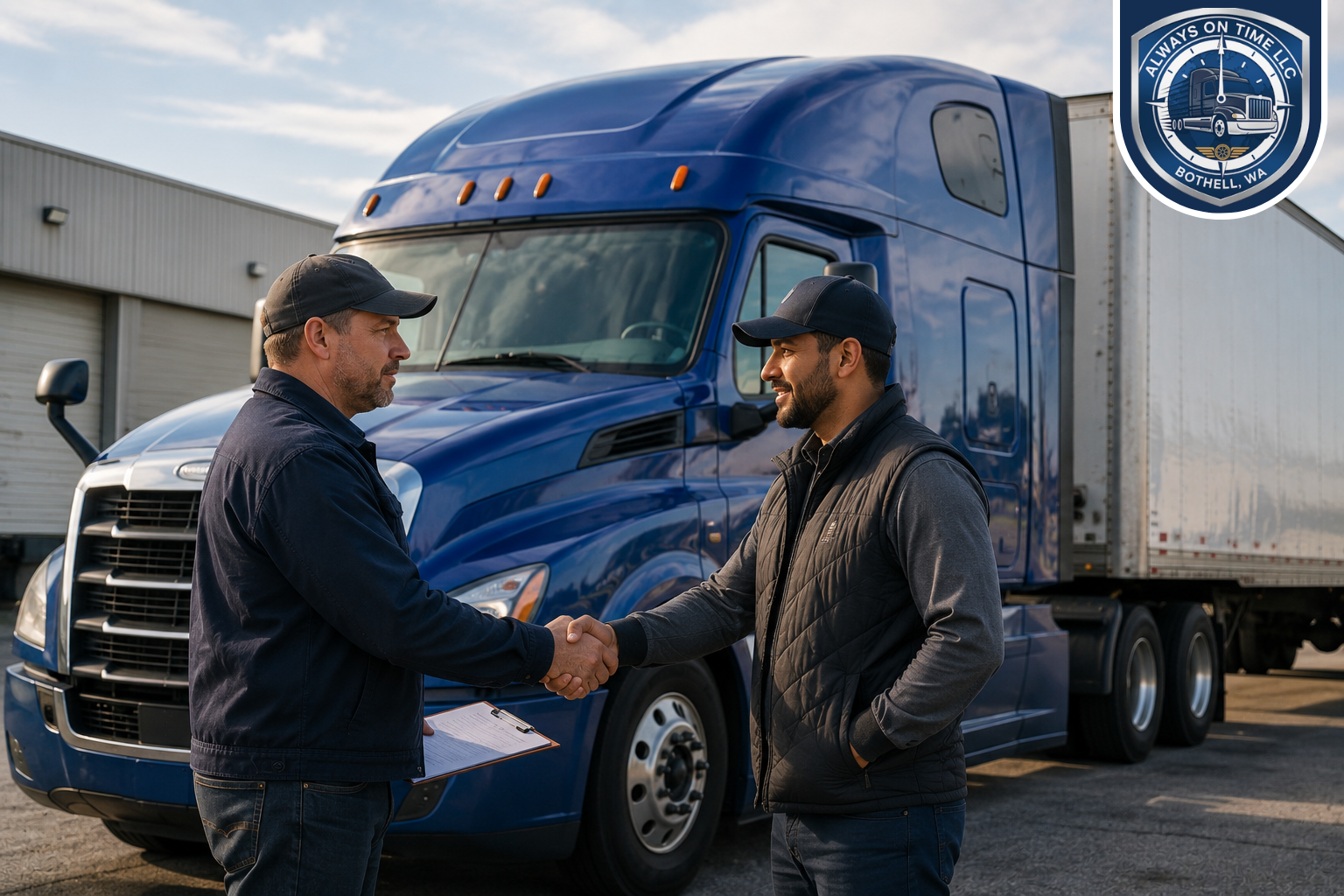
CDL Owner Operator jobs give experienced commercial drivers a path to greater independence, higher earning potential, and more control over how they run their careers. Instead of working only as company drivers, owner operators manage a truck, choose business opportunities, and take responsibility for operating costs. However, the freedom also comes with financial risk, compliance duties, maintenance expenses, and changing freight demand. For drivers who understand both trucking and business management, this career path can be rewarding. Therefore, learning the benefits, challenges, lease options, and responsibilities before making a move can help drivers make smarter long-term decisions about their future.
The owner-operator path appeals to drivers who want more control over routes, schedules, equipment, and income opportunities. At the same time, success requires more than safe driving. You also need to understand expenses, contracts, maintenance, insurance, compliance, and customer relationships. As a result, drivers who prepare for both the road and the business side usually make stronger decisions.
What CDL Owner Operator Jobs Really Involve
CDL Owner Operator jobs combine professional driving with small-business responsibility. An owner operator may own a truck outright, finance one, use a truck lease, or operate through another approved arrangement. Unlike a company driver, the driver often handles expenses such as fuel, maintenance, repairs, tires, permits, insurance, and taxes. Therefore, gross revenue never tells the full story.
In addition, an owner operator may choose freight, negotiate rates, plan routes, manage paperwork, and monitor cash flow. Some drivers operate under their own authority, while others lease on to a carrier. The right structure depends on experience, finances, preferred freight, and how much administrative work a driver wants to manage.
Although the business side adds responsibility, it can also create more flexibility. For example, experienced drivers may choose lanes that fit their home-time goals or focus on freight that matches their equipment and skills. Consequently, the role can offer both professional freedom and business growth.
Key Benefits of CDL Owner Operator Jobs
More Control Over Your Work
One of the biggest advantages of CDL Owner Operator jobs is control. Owner operators can often make more decisions about routes, loads, schedules, and equipment than company drivers. Moreover, they can decide which opportunities align with their business goals.
That flexibility can improve work-life planning. For instance, a driver may prioritize regional lanes to spend more time at home. Another driver may prefer longer routes because they offer stronger revenue potential. Therefore, owner operators can shape their operation around personal and financial priorities.
Higher Earning Potential
Owner operators can often access higher gross revenue than company drivers. However, higher revenue does not automatically mean higher take-home pay. Business expenses can significantly reduce net income. Still, drivers who manage costs carefully may build stronger earning potential over time.
Fuel efficiency, maintenance planning, freight selection, insurance costs, and deadhead miles all affect profit. As a result, successful operators focus on net profit rather than revenue alone. They know what each mile costs, and they compare that number with the rate they receive.
Opportunity to Build a Business
An owner operator is not only a driver; the operator also runs a transportation business. Therefore, every load contributes to a larger business strategy. Drivers can build customer relationships, establish a professional reputation, improve operational efficiency, and create long-term financial goals.
Over time, some operators may expand into additional trucks or work with other drivers. Others prefer to remain single-truck businesses because they value simplicity and control. Either way, CDL Owner Operator jobs can provide a platform for drivers who want to think like entrepreneurs.
Challenges of CDL Owner Operator Jobs
Operating Costs Can Change Quickly
The same independence that attracts drivers also creates financial responsibility. Fuel prices can rise, repairs can happen unexpectedly, and insurance premiums can change. In addition, truck payments and other fixed costs continue even when freight slows down.
Therefore, owner operators need an emergency reserve. A major repair can remove a truck from service and stop revenue at the same time. Because of this, planning only for normal monthly expenses can create serious pressure. Drivers should build a maintenance fund and keep enough working capital for slow periods.
Freight Demand and Rates Can Fluctuate
Freight markets do not stay constant. Rates may rise during strong demand and fall when capacity exceeds available freight. Consequently, drivers who depend on one lane or one customer may face more risk.
Diversification can help. For example, an operator can build relationships with several brokers, carriers, or shippers instead of depending on one source. In addition, monitoring rate trends and seasonal demand can help drivers avoid poor decisions. Strong CDL Owner Operator jobs should provide enough revenue potential to cover costs while leaving a reasonable margin.
Business Administration Takes Time
Owner operators must handle more paperwork than many company drivers. Depending on the operating model, tasks can include invoicing, expense tracking, permits, taxes, insurance documents, maintenance records, and compliance requirements. Therefore, organization becomes a business skill.
Some drivers use accounting software or professional services to reduce the administrative burden. Others create simple weekly systems for receipts, load documents, and expense records. Either approach can work, but consistency matters. When records remain accurate, drivers can understand profitability and prepare more confidently for taxes or audits.
Lease-On Options for Owner Operators
Many drivers explore a lease-on arrangement because they want independence without handling every responsibility of running under their own authority. In a lease on owner operator arrangement, the driver may operate under a carrier’s authority while following the carrier’s operating and safety requirements.
You may also see phrases such as owner operator lease on, MC on lease, or DOT on lease when researching carrier opportunities. These terms can describe different business or authority arrangements, so drivers should not assume every program works the same way. Instead, review the written contract, compensation structure, deductions, insurance requirements, dispatch rules, and termination terms.
A carrier may provide access to freight, back-office support, fuel programs, or other operational resources. However, the operator may still cover many truck-related expenses. Therefore, compare the full financial picture before signing.
If a program involves a truck lease, pay close attention to payment terms, maintenance responsibilities, mileage restrictions, balloon payments, purchase options, and early termination conditions. Moreover, calculate whether expected net revenue can support the payment during slower weeks. A good lease structure should make business sense even when conditions are not ideal.
Why Dry Van Truck Drivers Consider Owner-Operator Work
Dry van truck drivers often find owner-operator opportunities attractive because dry van freight serves many industries and uses widely available equipment. Retail goods, packaged products, manufacturing materials, and general freight commonly move in dry vans. Therefore, drivers may find a broad range of load opportunities across many markets.
In addition, dry van operations can be simpler than specialized freight that requires temperature control, tank endorsements, or unusual loading procedures. However, competition can also be strong. As a result, dry van owner operators need to evaluate rates, wait times, detention policies, and deadhead distances carefully.
For drivers comparing owner operator CDL jobs, the best opportunity is not always the one with the highest advertised rate. Instead, examine the complete operating model. A slightly lower rate may produce better profit if the lane has reliable freight, shorter deadhead, faster loading, and better home time.
How to Evaluate CDL Owner Operator Jobs Before Signing
Look Beyond the Advertised Pay
Recruiting advertisements often emphasize gross weekly revenue or percentage pay. However, those numbers do not show every deduction. Before accepting CDL Owner Operator jobs, ask for a clear explanation of settlement statements, fuel costs, insurance deductions, trailer fees, technology charges, escrow accounts, permits, and other expenses.
Then estimate net income using realistic miles. Include unpaid miles, home time, maintenance downtime, and seasonal changes. Consequently, you will get a more useful picture than a best-case revenue example.
Understand the Contract
Read every lease-on or carrier agreement carefully. Specifically, review how the carrier calculates compensation, who controls load acceptance, what expenses the operator pays, and how either party can end the agreement.
In addition, look for chargebacks, escrow policies, equipment requirements, insurance provisions, and settlement schedules. If a contract uses unfamiliar language, ask for clarification before signing. A good business decision starts with understanding exactly what you are agreeing to.
Check Freight Quality and Lane Consistency
Reliable freight matters as much as rate per mile. For example, a high-paying outbound load may look attractive, but the lane can become unprofitable if the return market has weak freight. Therefore, evaluate round-trip economics whenever possible.
Also, ask how often drivers wait between loads. Long delays reduce productive miles and can increase food, parking, and lodging costs. As a result, consistency often creates more value than occasional high-paying loads.
Skills That Help Owner Operators Succeed
Successful CDL Owner Operator jobs require several skills beyond driving. First, operators need basic financial awareness. You should know cost per mile, monthly fixed expenses, average variable costs, and the minimum rate needed to operate profitably.
Second, communication matters. Brokers, dispatchers, shippers, receivers, mechanics, and customers all affect the operation. Therefore, professional communication can help solve delays, clarify instructions, and protect business relationships.
Third, time management is essential. Drivers must balance hours-of-service limits, appointments, fueling, maintenance, paperwork, and rest. Moreover, poor planning can create missed appointments or unnecessary deadhead.
Financial Planning for CDL Owner Operator Jobs
Good financial planning starts with separating business revenue from personal spending. Owner operators should create a monthly budget that includes fixed and variable costs. Fixed costs may include truck payments, insurance, permits, and communication services. Variable costs may include fuel, maintenance, tires, tolls, and meals.
Next, calculate cost per mile. Divide total operating expenses by total business miles over a realistic period. Because costs change, update the calculation regularly. Then compare your cost per mile with expected revenue per mile.
It is also wise to set aside money for taxes. Unlike many company drivers, an owner operator may need to manage estimated tax payments and business deductions. Therefore, accurate records matter throughout the year, not only at tax time.
Frequently Asked Questions
1. What Are Owner Operator Jobs CDL?
Owner Operator jobs CDL are commercial driving opportunities in which the driver also operates as a business owner. The driver may own, finance, or lease a truck and may work under personal authority or lease on to a carrier. Because the operator carries business expenses, income depends on both revenue and cost management.
2. Is Leasing On to a Carrier Better Than Running Under Your Own Authority?
Neither option is automatically better. Leasing on can reduce some administrative work and provide access to carrier freight or support. However, operating under your own authority can provide greater control. Therefore, compare costs, responsibilities, freight access, compliance demands, and your business experience before choosing.
3. What Should I Check in an MC on Lease or DOT on Lease Opportunity?
Review the carrier’s authority status, written agreement, insurance requirements, compensation, deductions, safety expectations, dispatch process, and termination terms. In addition, verify exactly what the carrier provides and what you must pay. Never rely only on recruiting claims.
4. Can Dry Van Truck Drivers Become Successful Owner Operators?
Yes. Dry van truck drivers can build successful owner-operator businesses when they control costs, select productive lanes, maintain equipment, and work with reliable freight sources. However, competition can be strong, so rate evaluation and efficient route planning remain important.
5. How Much Can an Owner Operator Make?
Income varies widely because truck payments, fuel, maintenance, insurance, freight rates, miles, location, and operating model all affect profit. Therefore, focus on net income rather than advertised gross revenue. A driver who controls expenses may keep more profit than another driver who produces higher gross revenue but carries heavier costs.
Building a Stronger Owner-Operator Career
CDL Owner Operator jobs can offer freedom, business ownership, and stronger earning potential, but they also demand planning and discipline. Drivers who understand their operating costs, choose freight carefully, maintain their equipment, and review contracts in detail can make better long-term decisions. Moreover, the right lease-on relationship can provide useful support without removing the responsibility of running a profitable truck. Before choosing any owner operator opportunity, compare the total financial picture, not just the headline rate. For drivers ready to combine professional driving with business responsibility, Always On Time LLC can be part of the search for a dependable path forward.